
Technology
True onlineDouble-conversion operation provides conditioned power with zero transfer time for supported critical loads.Online UPS / Critical power
UPS for School, Smart Classroom & College Computer Labs
Power backup for education environments where computer labs, smart classrooms, campus networks, CCTV, administrative systems and selected laboratory equipment need reliable continuity.
01True online double conversion
02DSP-based control
03IGBT switching
04Pure sine-wave output
Engineering answer
Select from the load backward.
Confirm the real connected load, phase, starting or inrush behaviour, power-quality requirement, target runtime where relevant, site conditions and future headroom before locking capacity or configuration.
Request technical sizingOnline UPS system
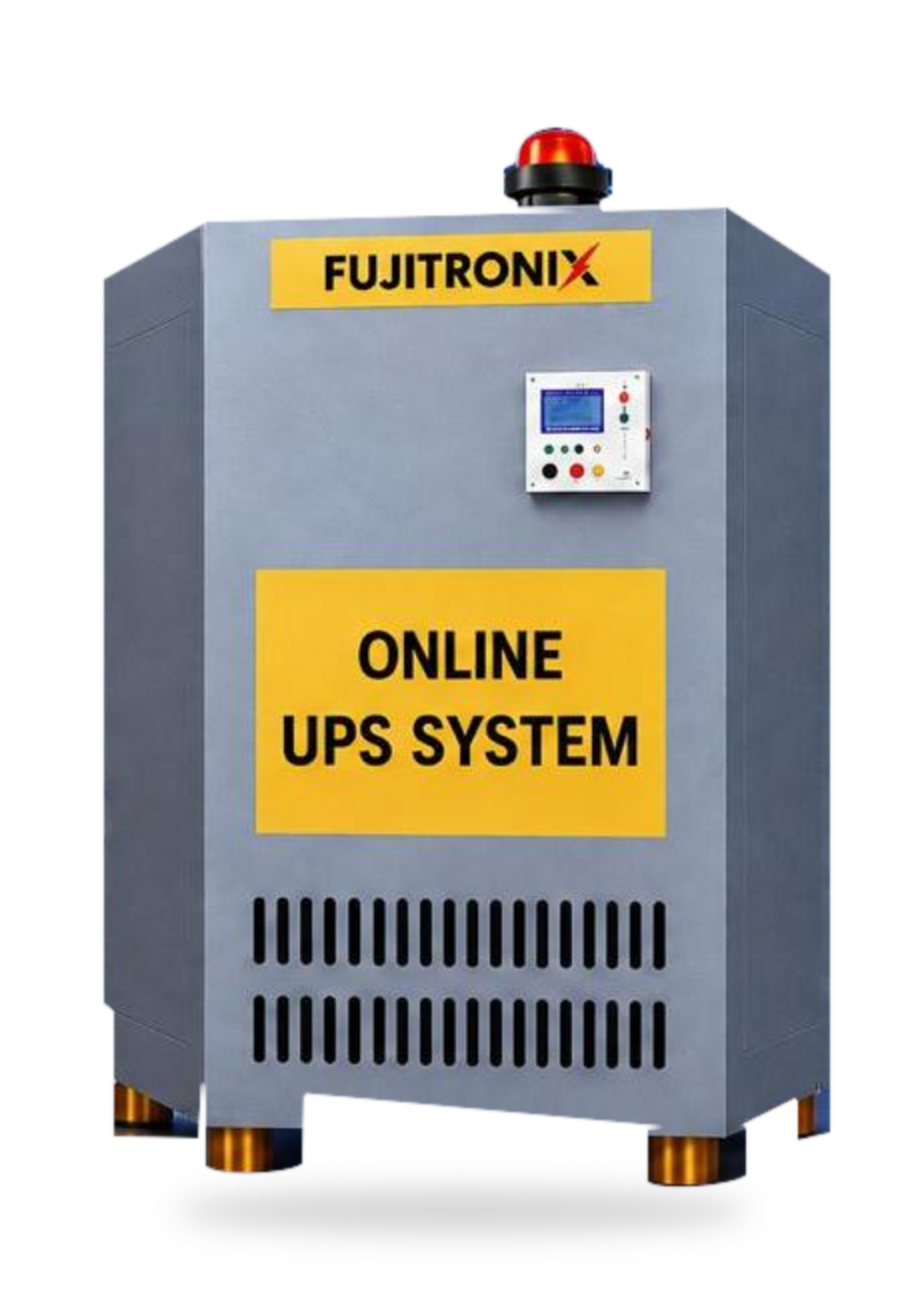
Fujitronix Online UPS · Product photographPublished product-family facts
What Fujitronix states—and what still needs confirmation.
Portfolio communication
10–350 kVALatest company material states a 3-phase input / 3-phase output portfolio range; model ranges vary.Power quality
Pure sine wavePublished information describes DSP control, IGBT switching and a clean regulated output.Protection
Multi-layerShort-circuit, overload, overheat, surge and battery protection are stated; confirm by model.Start with the requirement
Segment the campus loads before sizing the UPS.
A school or college does not have one uniform load. Computer labs, network racks, smart classroom systems, CCTV, admin servers and laboratory equipment have different power-quality and backup-time requirements. Create a critical-load list before selecting the UPS.
How to select
Choose the UPS topology before the battery runtime.
For computer labs, server/network equipment and sensitive electronics, a true online UPS can provide conditioned power and zero transfer time. Final kVA, phase and battery runtime should follow the measured load, power factor, growth and required autonomy.
- Connected load and power factor
- Single- or three-phase input/output
- Required battery runtime
- Load inrush and future headroom
- Bypass / isolation requirements
- Monitoring such as RS232 or SNMP
Commercial selection
What changes the final school or college UPS quotation?
The number of protected computers or devices, present kW/kVA, single- or three-phase supply, battery runtime, centralised versus distributed architecture, bypass, monitoring, installation conditions and service scope all affect the final configuration and price.
System operation
Separate classrooms, IT infrastructure and laboratory loads.
A central UPS may suit server rooms and selected lab circuits, while distributed UPS systems can make more sense for classrooms or smaller computer labs. The architecture should reduce unnecessary battery capacity and simplify maintenance.
Lifecycle planning
Plan maintenance around the academic calendar.
Battery tests, alarm checks, cleaning, fan condition, bypass verification and load testing are easier to schedule during low-usage periods. Runtime should be rechecked as computer and network loads change over time.
Site planning
Installation planning for school and college UPS systems.
Review earthing, cable sizing, ventilation, battery location, electrical protection, bypass strategy and service clearances before installation. Computer labs and server rooms may also need temperature and access planning around the UPS and battery bank.
- Input and output distribution
- Earthing and protection coordination
- Battery bank location and ventilation
- Maintenance / static bypass plan
- Cooling and service clearances
- Load test and alarm verification
RFQ checklist
What to send for a faster education UPS proposal.
Share the number and type of computers/devices, connected load, phase, required backup time, campus location, room conditions, battery preference and whether the requirement is for a computer lab, smart classrooms, campus IT, CCTV or another critical circuit.
Fujitronix approach
A useful proposal should separate equipment, battery and service scope.
The proposal should make the protected load, UPS rating, battery runtime assumptions, bypass/monitoring accessories, installation work and AMC/service terms clear so different options can be compared on the same basis.
Buyer & engineering checklist
Four decisions that shape the ups for hospital proposal.
Clear answers at the enquiry stage reduce incorrect sizing, missing accessories and price comparisons between unlike systems.
What load is actually critical?
Separate essential equipment from loads that can shut down; then record real kW/kVA and power factor.
Which phase configuration is needed?
Confirm incoming supply and protected load: 1PH–1PH, 3PH–1PH or 3PH–3PH where available.
How much runtime is needed?
Battery sizing depends on protected load, target minutes or hours, DC voltage, chemistry and ageing margin.
Is bypass or monitoring required?
Critical sites may need maintenance bypass, isolation, RS232/SNMP monitoring and redundancy planning.
Avoid weak specifications
Common mistakes that lead to the wrong quotation.
- 01Sizing only from nominal kVA
- 02Adding battery time without checking real load
- 03Ignoring bypass and maintenance access
- 04Assuming one UPS series covers every phase and capacity
Product + manufacturing evidence
A closer look at the system and the people who build it.
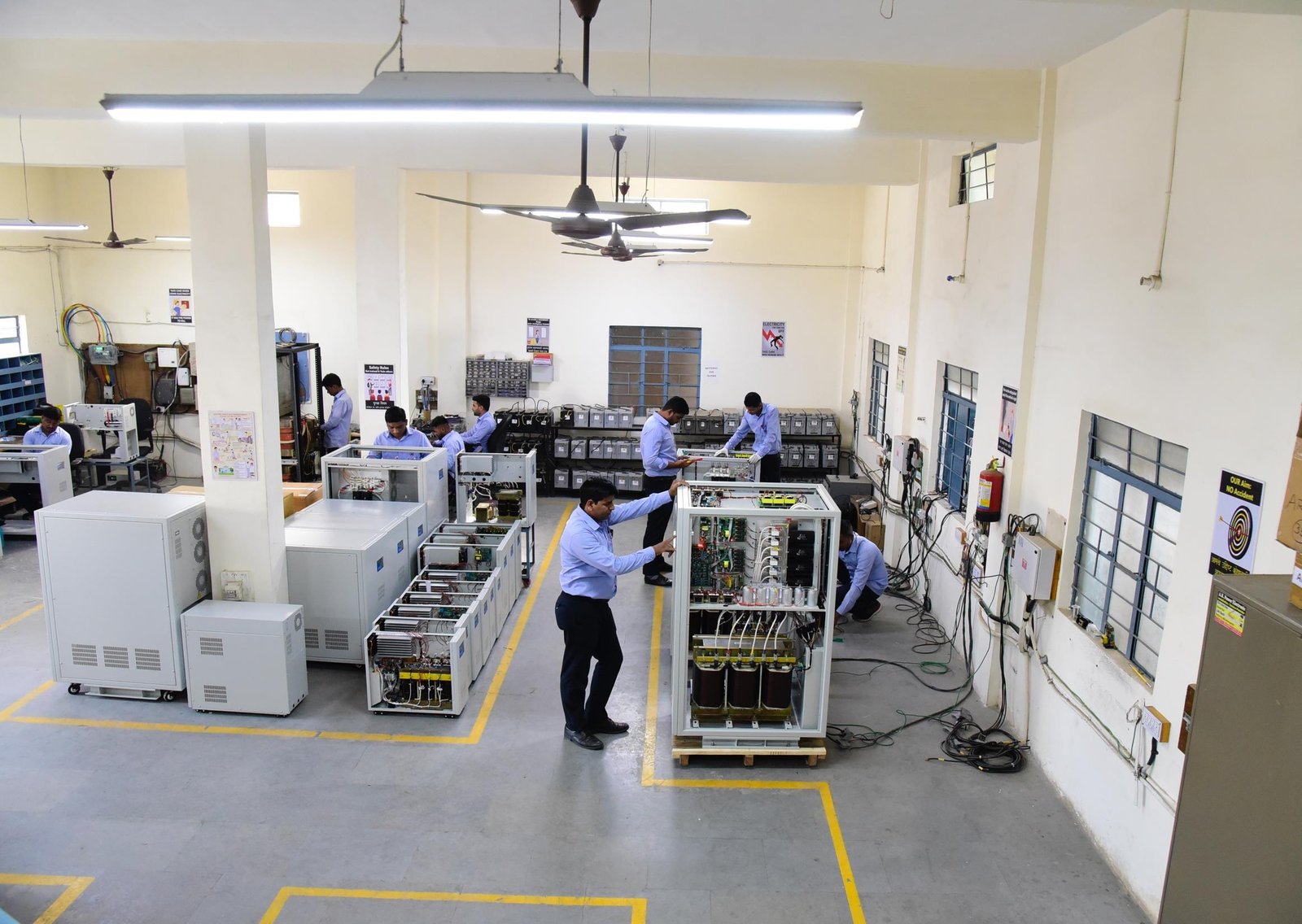
The product cutout comes from Fujitronix's supplied company material. The second image shows the Pune manufacturing or power-electronics environment behind the product range.
Application areas
Where this architecture fits.
Final selection depends on site electrical conditions and the connected load.
01School computer labs
02Smart classrooms
03College IT labs
04Campus servers & network
05CCTV & access systems
06Selected laboratory electronics
Application + product images
See where the requirement appears in the real world.
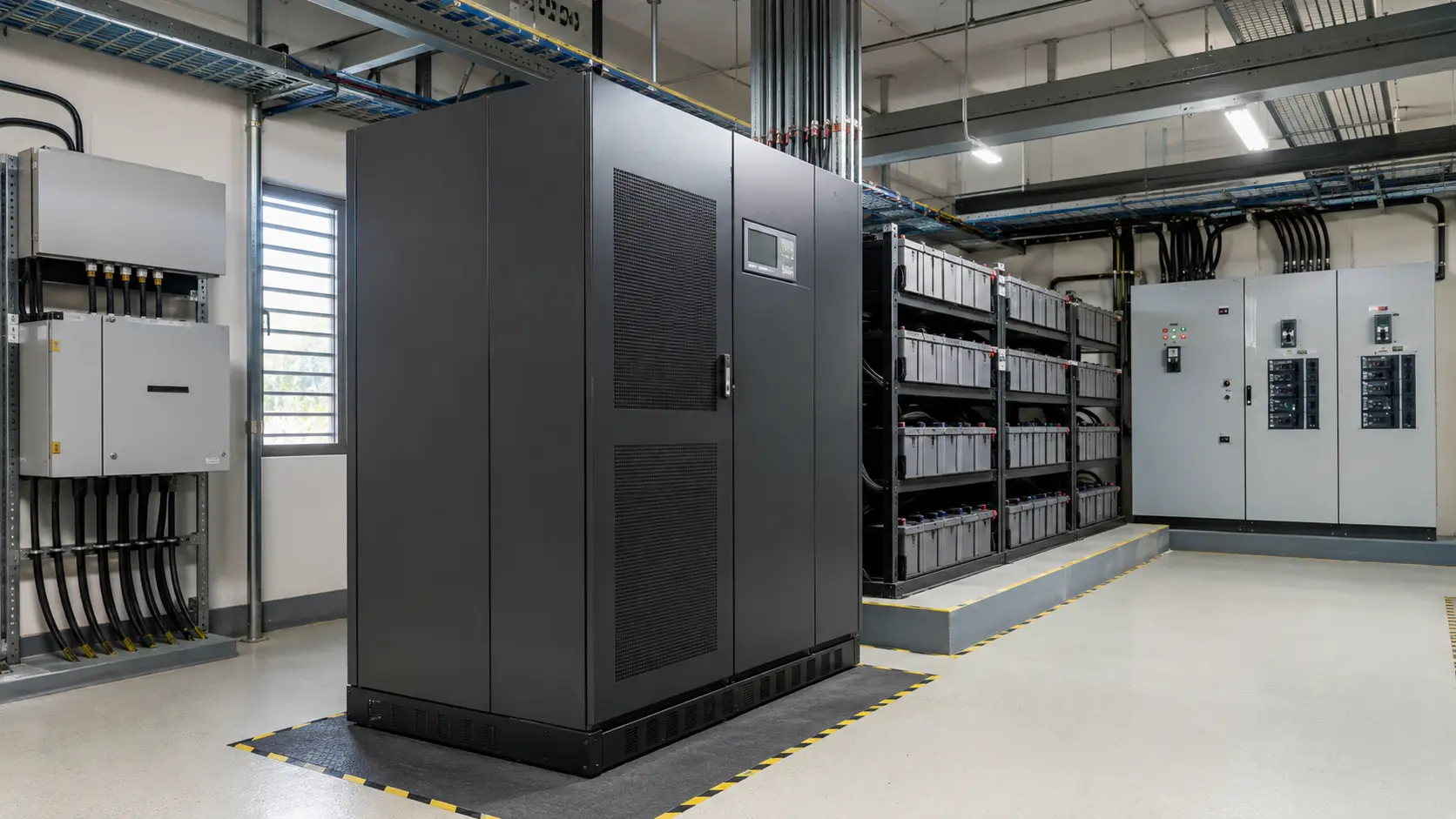
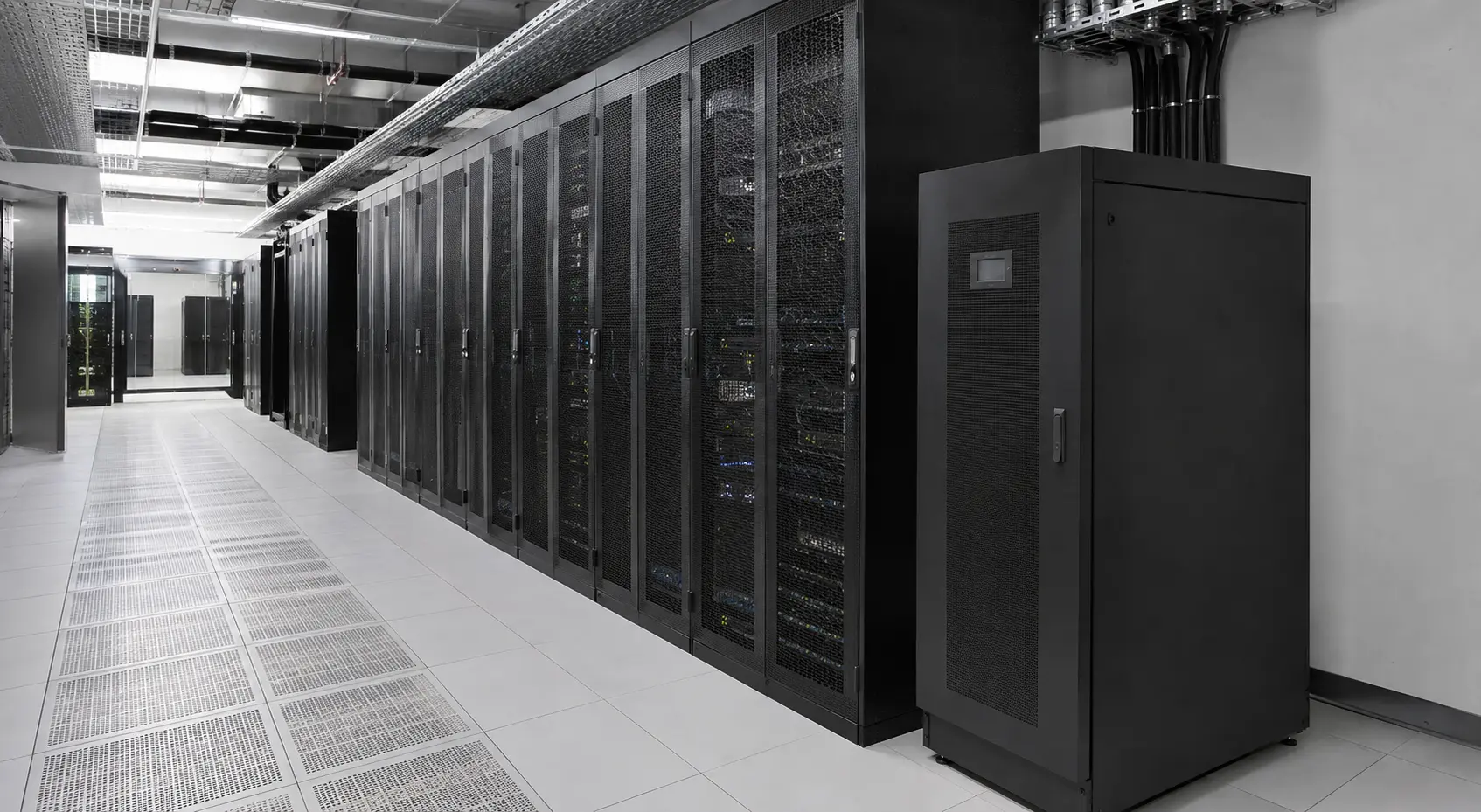
Application visuals explain the electrical environment. Fujitronix product and factory material is identified separately so buyers can easily see what comes directly from the company.
Frequently asked questions
Clear answers before you shortlist a system.
Practical answers for purchase teams, consultants, facility managers and business owners planning a serious enquiry.
01What UPS is suitable for a school computer lab?+
The UPS should be sized from the real connected computer, monitor, network and peripheral load, plus power factor, required backup time and growth. A true online UPS is commonly considered when power quality and zero-transfer continuity matter.
02Can one UPS support multiple smart classrooms?+
It can, if the connected load, distribution, cable runs, phase balance and required runtime are properly designed. In some campuses, distributed UPS systems are easier to maintain than one oversized central unit.
03How much backup time should a college computer lab have?+
There is no universal number. Decide whether the objective is safe shutdown, short outage continuity or longer operation, then size the battery bank against the protected load and desired autonomy.
04Can the same UPS support servers and classroom PCs?+
Technically possible, but the loads have different criticality. Separating server/network infrastructure from general classroom loads can improve redundancy, maintenance and battery efficiency.
05What information is needed for a school UPS quotation?+
Share the connected load or device count, phase, required backup time, room/site conditions, battery preference, campus location and whether the UPS will support computer labs, smart classrooms, servers, CCTV or other circuits.
06Does Fujitronix provide installation and AMC support for education sites?+
The supplied Fujitronix company profile lists product consultation, installation, training, battery replacement, upgrades and comprehensive or non-comprehensive AMC services. Final coverage depends on the site and agreed scope.
07Can a UPS protect school laboratory equipment?+
Some laboratory electronics can be suitable UPS loads, but equipment-specific electrical requirements, inrush and safety constraints must be checked before sizing. Do not assume compatibility from nominal wattage alone.
08What affects the price of a school or college UPS system?+
UPS topology, kVA, phase, battery runtime, battery chemistry, bypass, monitoring, installation work and service coverage all affect the final price. Compare proposals using the same load and runtime assumptions.
Need help choosing?