
Sample article · Preview content
All articlesPower backup guide
Lift UPS or automatic rescue device: what does your building need?
Understand the difference between continued lift operation and a controlled rescue during a power failure.
First decide what should happen during an outage
For a residential society, office or hospital, the first question is practical: should the lift continue operating, or should it complete a controlled rescue and allow passengers to exit? These are different requirements. Clearly defining the intended behaviour helps the lift contractor and backup supplier select a compatible solution.
Rescue and continued operation serve different purposes
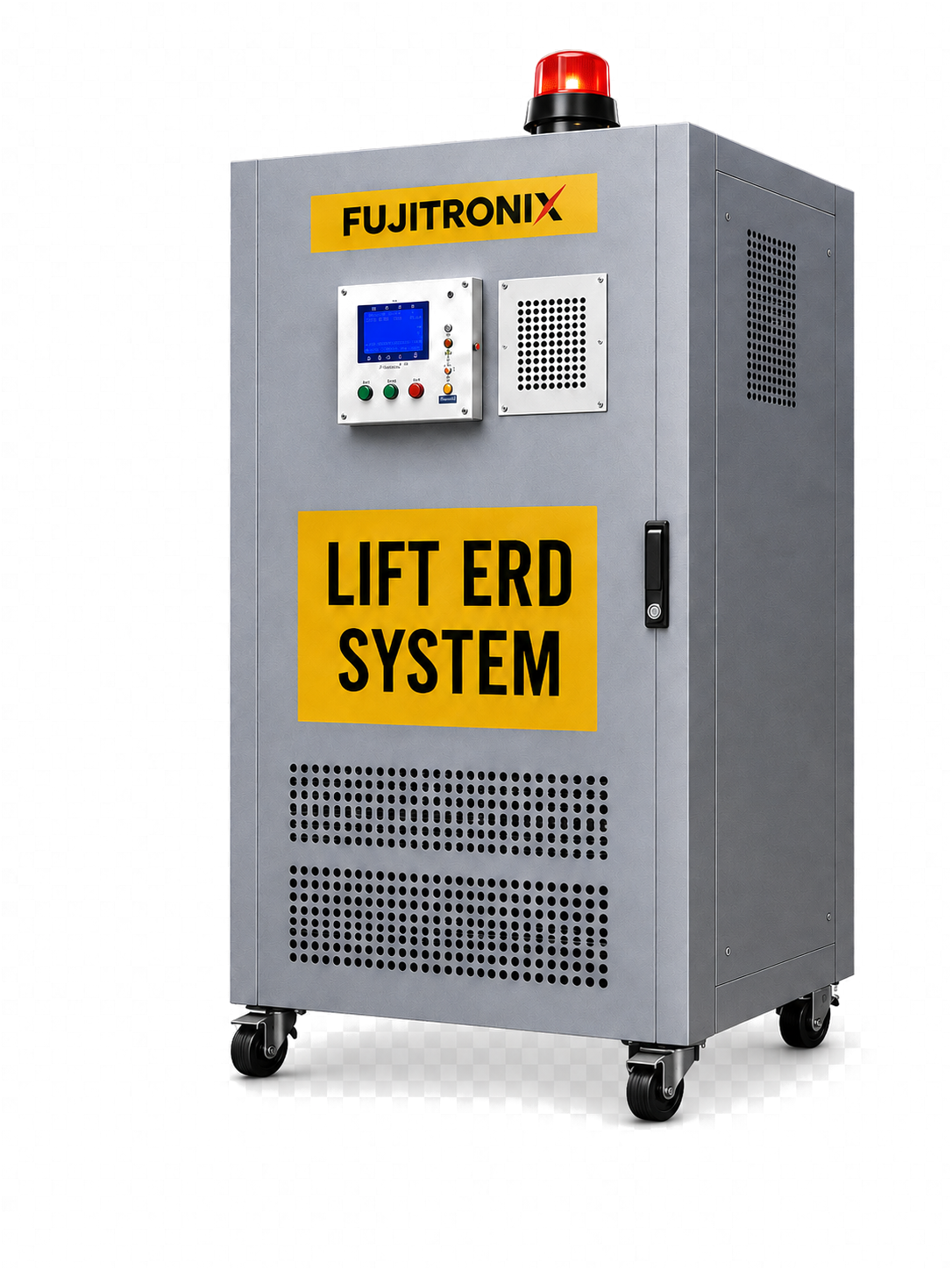
An automatic rescue device is intended to support the lift’s designated rescue sequence when normal power fails. A lift backup system may be specified for continued operation for an agreed duty and duration. Product names such as ARD, ERD and lift UPS are sometimes used differently by suppliers, so ask for the exact operating sequence rather than relying on the name alone.
Compatibility comes before the rating
Share the lift make, controller, drive, motor rating, passenger capacity and electrical drawings where available. The lift contractor should confirm interface and operating requirements. Do not select equipment solely from the lift’s passenger capacity or a broad product description; the controller and drive arrangement also matter.
Define the backup duty clearly
Tell the supplier whether you need rescue only, a limited number of trips or a specified period of operation. Mention the number of lifts and whether they must run together. Discuss how the backup system will behave when a generator starts and when mains power returns. These details should be agreed as part of the project scope.
Plan installation with your lift contractor
Lift backup installation and testing should be coordinated by qualified personnel with the lift contractor. Agree the installation position, access, battery arrangement, ventilation and commissioning procedure. Building teams should receive the operating instructions and know whom to contact if the system reports a fault.
Make maintenance part of the handover
Ask for a documented inspection and testing schedule appropriate to the installed equipment. Batteries and interfaces need periodic checks even when outages are infrequent. Keep the commissioning records, product details and service contact information together so a change in facility staff does not leave the system without a maintenance plan.